How Much Does a Radon Test Kit Cost?
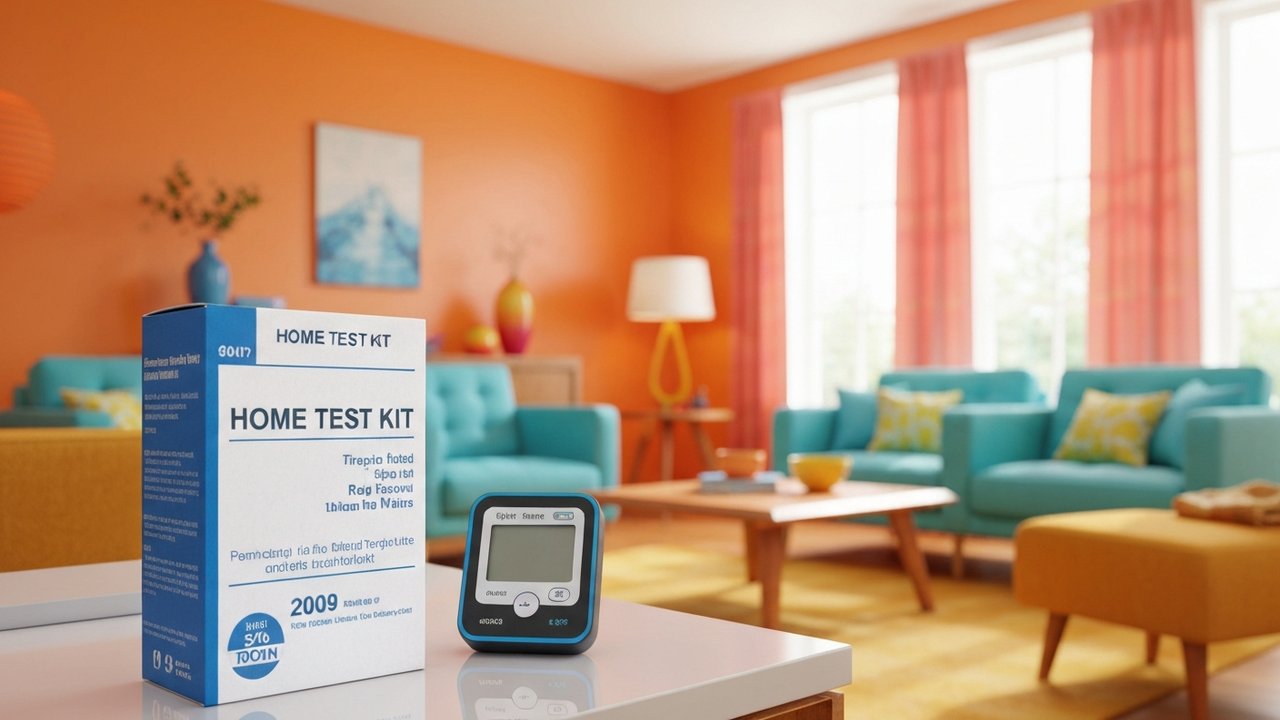
Testing for radon is inexpensive by any home-health standard. Fixing elevated levels costs real money. But finding out whether you have a problem at all can be done for the price of a hardware store kit, or sometimes for nothing.
Free and low-cost kits through state programs
Before you spend anything, check your state radon program. Most states operate some form of subsidized kit distribution through the state health or environmental department. Prices vary: some states hand out free kits with no strings attached, others sell them at cost (often $5 to $15), and a few run periodic free events through county health offices.
Radon Action Month each January tends to bring extra outreach and special pricing, but many programs make kits available all year. High-radon states including Iowa, Minnesota, and Pennsylvania have historically been among the most active about public distribution. Your state environmental or health department website is the place to check.
Our guide to free radon test kits and where to get them covers how to find and claim subsidized kits by state. That is the right first stop for anyone trying to test without spending much.
Short-term charcoal canister kits
The standard entry-level test is a charcoal canister kit. You open the canister, place it in the lowest livable level of your home (typically the basement or first floor), leave it 48 to 96 hours, then seal it in the prepaid mailer and send it to a lab. Results come back within a week or two, expressed in picocuries per liter (pCi/L). The EPA recommends taking action at 4 pCi/L or above.
All-in prices, including lab analysis, typically run $15 to $35. Some bare-bones kits are priced under $12 but carry a separate lab fee of $25 to $40 when you register the canister online, which flips the apparent deal. When comparing prices, check for the all-in cost rather than just the device.
You can buy charcoal kits at hardware stores (Home Depot and Lowe’s both stock them), through state programs, or online. The canister is a passive collector; the lab processing your result is what determines accuracy. Look for a lab that participates in the EPA’s Radon Proficiency Program or holds AARST-NRPP accreditation.
For a closer look at how these devices work and what to watch out for, see our guide on charcoal radon test kits explained.
Long-term alpha track kits
A charcoal canister gives you a snapshot. If you want a number that reflects your home across different seasons, a long-term alpha track kit is more informative. These contain a small piece of special plastic film that records particle tracks from radon decay products over 90 days to a full year. The film goes back to a lab, and the density of tracks converts to an average pCi/L reading.
Alpha track kits typically cost $25 to $55 including lab analysis. The higher price reflects the more sensitive detector material and the longer test period. The EPA explicitly prefers long-term testing when you are not under time pressure, because seasonal variation can make a short-term snapshot misleading. Radon often reads higher in winter when windows stay closed and the house is more tightly sealed.
Professional radon testing
A certified professional brings their own calibrated measurement device, follows ANSI/AARST measurement standards, and provides a report with documented chain of custody. For real estate transactions, a professional test is often specifically requested because that credentialed report carries more weight in negotiations and inspections. For mitigation planning on a high reading, it also gives the contractor a reliable baseline to work from.
Professional radon testing typically costs $150 to $300 for a single-family home. Some mitigation contractors reduce or waive the test fee if they end up doing the remediation. The national credential for measurement professionals in the US is AARST-NRPP (Indoor Environments Association / National Radon Proficiency Program); in Canada, it is C-NRPP. Both programs maintain searchable directories so you can find a certified tester by zip code.
Electronic radon monitors
A continuous electronic monitor is not a mail-in kit. It reads radon levels in real time and displays current and recent average readings on a screen or smartphone app. These have become popular with homeowners who want ongoing visibility rather than a single data point every few years.
Quality units cost $100 to $300 upfront, with no lab fees afterward. The tradeoff is precision. Consumer-grade monitors carry meaningful margins of error at typical residential concentrations and are not accepted as credentialed measurements for real estate transactions or post-mitigation verification. They are useful for spotting trends and catching large spikes. If one returns a concerning reading, follow up with a lab-analyzed test before making any decisions.
What the price actually includes
One persistent source of confusion is whether lab analysis is bundled into the kit price or billed separately. A few things to check:
- Kits sold in hardware stores sometimes include the lab fee and sometimes do not. Read the box before you buy.
- Kits ordered directly from a certified lab’s website almost always include analysis in the listed price.
- Kits distributed through state programs may or may not include lab processing; the program’s website will say.
The “all-in” cost, device plus lab, is the only meaningful number when comparing options.
Which test fits your situation
For a routine first test with no time pressure, a charcoal canister kit from your state program or local hardware store ($15 to $35 all-in) is the practical choice. If that result comes back in the 2 to 8 pCi/L range, a follow-up long-term alpha track test gives you a more reliable basis for deciding whether to mitigate.
For a real estate transaction, a professional test ($150 to $300) is the standard because the credentialed report holds up in negotiations and lender reviews. For ongoing monitoring after a mitigation system is installed, an electronic monitor works well as a supplement, though it should not replace periodic lab-analyzed tests entirely.
For a deeper comparison of short-term and long-term testing approaches, see our guide to short-term vs long-term radon tests.
FAQ
Do radon test kits include the lab fee? Often, but not always. Kits from hardware stores may list only the device price, with lab analysis billed separately when you mail in your canister. Kits ordered from a lab directly, or through most state programs, tend to include analysis in the listed price. Confirm before buying so you are comparing total costs, not just the canister price.
Are cheap radon test kits accurate? They can be, as long as the lab processing the result participates in the EPA’s Radon Proficiency Program or is AARST-NRPP accredited. The canister itself is a simple passive collector; lab quality is what determines whether you get an accurate reading. Avoid kits that do not name a certified lab or provide no accreditation information.
How long does it take to get results from a mailed kit? Most labs return results within one to two weeks of receiving your sample. Some offer expedited processing for an added fee, which can cut turnaround to a few days. Electronic monitors display readings in real time but typically need 24 to 48 hours to stabilize after first placement.
Do I need to pay for another test after mitigation? Yes, and this follow-up test is separate from your original kit cost. The EPA and the U.S. Surgeon General both recommend retesting after a mitigation system is installed to confirm levels dropped below the 4 pCi/L action level. Periodic retesting every two years or after major renovations is also recommended, since changes to the home can affect how radon enters.
Not sure where your home stands? Try the free Radon Risk Calculator to see what your level means and what to do next.
Related guides
How to Use a Radon Test Kit Correctly
Step-by-step instructions for using a short-term charcoal radon test kit correctly, from closed-house conditions to mailing the sample to the lab.
Read the guide →Radon Testing for New Construction Homes
Why new construction homes aren't automatically radon-free, when to test, and what to do if your RRNC-equipped home still reads above 4 pCi/L.
Read the guide →Charcoal Radon Test Kits Explained
Charcoal canisters are the most common way to screen a home for radon: here is how they work, what they can and cannot tell you, and where to get one.
Read the guide →The only way to know your radon level is to test
Radon is invisible and odourless, and the only way to know your home's level is a test. An inexpensive home test kit is the simplest place to start. See our picks and how to read the result.
See the best radon test kits →