How Much Does Radon Mitigation Cost?
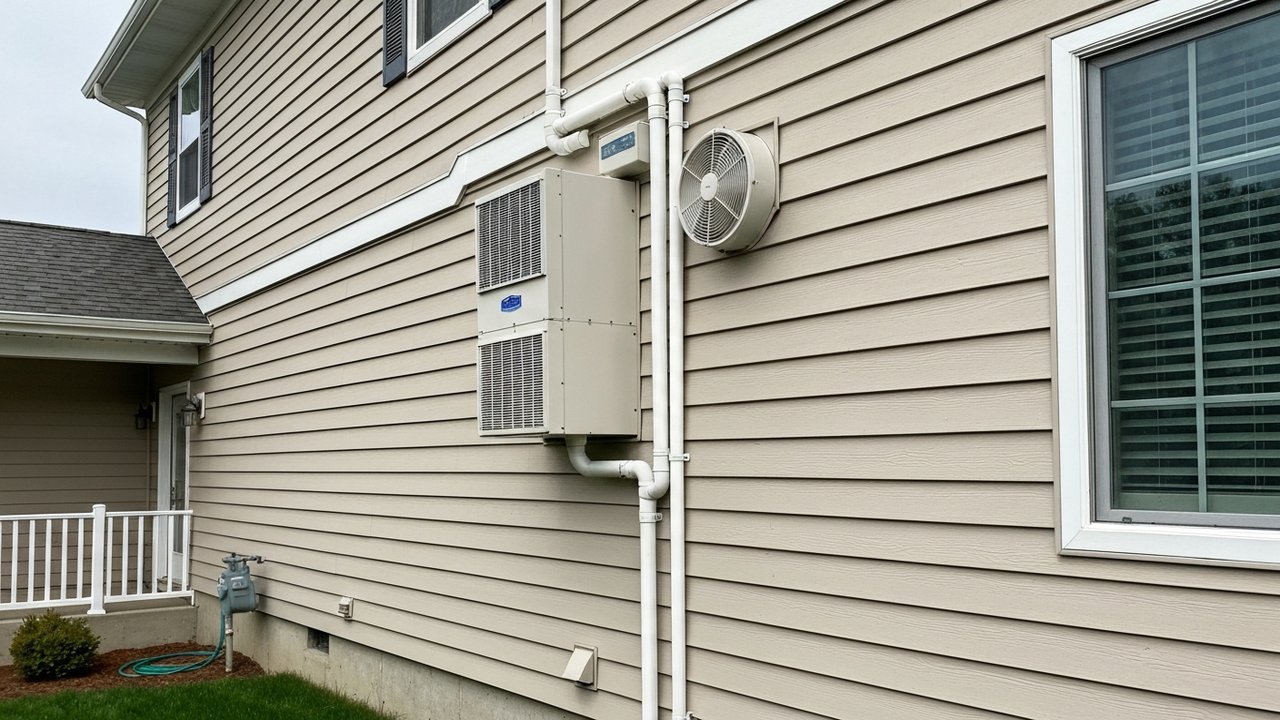
What a radon mitigation system actually costs
The most widely cited number comes from the EPA, which has long reported that the average radon reduction system costs about $1,200, with most jobs landing between $800 and $2,500. Contractor and home-services data from 2025 and 2026 line up closely with that range. A straightforward sub-slab system on a single basement or slab home commonly runs $1,000 to $1,500, while complicated homes, very high radon readings, or premium fans and warranties push toward the upper end and occasionally beyond it.
It helps to separate three numbers. First, testing your home is its own small cost, usually $150 to $300 for a professional measurement or far less for a quality DIY kit. Second is the install itself, the $800 to $2,500 figure above. Third are ongoing costs, which are modest but real because the fan runs continuously.
If you have not measured your home yet, start there. See our guide on how to test your home for radon and our roundup of the best radon test kits before you call a mitigator.
What drives the price up or down
No two homes are priced the same. The biggest factors are:
- Foundation type. A home on a single basement or slab is the simplest and cheapest to mitigate. Crawl spaces usually need a sealed plastic membrane (sub-membrane depressurization) instead of a slab penetration, which adds labor and material. Homes with several foundation types, an addition, or a finished basement can need more than one suction point, which raises cost.
- Sub-slab vs sub-membrane. Sub-slab depressurization draws from under a poured floor. Sub-membrane work for crawl spaces involves laying and sealing a heavy vapor barrier first, which is more labor-intensive.
- Pipe routing and length. Code calls for venting above the roofline. A short interior run through a garage or up an exterior wall is cheap. A long run from a basement up through finished living space, hidden in closets and soffits, costs more in labor and materials.
- Radon level. Very high readings can require a more powerful fan, additional suction points, or extra sealing to hit the target, all of which add cost.
- Sump pit integration. If your home has a sump, the installer often ties the system into a sealed sump lid, which can be efficient but adds parts.
- Region and labor. Local wage rates, permit fees, and how competitive your local mitigation market is all move the final number.
How a sub-slab depressurization system works
The standard fix is simpler than it sounds. Radon is a gas that seeps up from the soil through cracks, joints, and openings in your foundation. A sub-slab depressurization system creates a zone of slightly lower pressure beneath the slab so the gas takes the path of least resistance into the pipe instead of into your house.
An installer cores a hole through the slab (or sets a suction point under a crawl-space membrane), then runs a sealed PVC pipe up and out of the home. An inline fan mounted in an attic, garage, or on the exterior pulls air and radon from below the floor and discharges it above the roofline, where it disperses harmlessly. Major foundation cracks and the sump are sealed so the fan does not waste suction. A small monitor, called a manometer, lets you confirm at a glance that the fan is still moving air.
DIY vs hiring a certified mitigator
You can buy fans and pipe online, and a handful of confident homeowners install their own systems. Most people hire a professional, and there are good reasons. Soil conditions, foundation construction, and HVAC behavior all affect where radon enters and how strong a system needs to be, and a certified mitigator diagnoses that rather than guessing. The EPA recommends hiring a contractor who is state or nationally certified.
The leading national credential is the AARST-NRPP (Indoor Environments Association / National Radon Proficiency Program), with C-NRPP serving the same role in Canada. Certified pros follow published ANSI/AARST standards, must pass training and exams, and renew their certification with continuing education. A poorly designed DIY system can look finished while still leaving you above the action level, so the certification is real protection, not just a label. Most states also let you look up certified mitigators by zip code.
Ongoing costs: electricity, maintenance, and the retest
A radon mitigation system is not install-and-forget, but ownership is cheap. The fan runs 24/7, and the electricity it uses typically costs only a few dollars to around $30 a month depending on the fan and your local power rates. Fans are durable but not eternal; plan to replace the fan roughly every 5 to 10 years, usually a $150 to $400 part-and-labor job. Glance at the manometer now and then to confirm the system is still pulling.
One step is not optional: retest after the system is installed. A mitigation system is only “working” if a measurement proves it. Have the home retested (your installer often includes this, or you can use a kit) to confirm levels dropped below 4 pCi/L. The EPA also suggests retesting every couple of years and after any major renovation, since changes to the home can affect radon entry.
Is it worth it, and what about resale
For the cost of a midrange appliance, mitigation removes a known lung-cancer risk and often pays for itself at sale. Many buyers now expect a system in higher-radon regions, and a documented, certified install with a clean retest is a selling point rather than a red flag. If you are on the buying side, our guide on whether to buy a house with a radon mitigation system already installed walks through what to check.
FAQ
How much does a radon mitigation system cost on average? About $1,200 is the long-standing EPA average, with most US homes falling between $800 and $2,500. A simple basement or slab job often runs $1,000 to $1,500, while crawl spaces, multiple foundations, very high radon, or long pipe runs cost more.
Does the radon fan have to run all the time, and is it expensive? Yes, the fan runs continuously to keep the suction zone under your floor active. Electricity is modest, commonly a few dollars to around $30 a month, and the fan is replaced roughly every 5 to 10 years.
Can I install a radon mitigation system myself? It is possible, but most homeowners hire a certified mitigator. A pro diagnoses how radon enters your specific home and follows ANSI/AARST standards. The EPA recommends a state or nationally certified contractor, such as one credentialed through AARST-NRPP.
Do I really need to retest after mitigation? Yes. A retest is the only way to confirm the system actually brought levels below the 4 pCi/L action level. Plan to retest right after install and every couple of years afterward.
Not sure where your home stands? Try the free Radon Risk Calculator to see what your level means and what to do next.
The only way to know your radon level is to test
Radon is invisible and odourless, and the only way to know your home's level is a test. An inexpensive home test kit is the simplest place to start. See our picks and how to read the result.
See the best radon test kits →